About
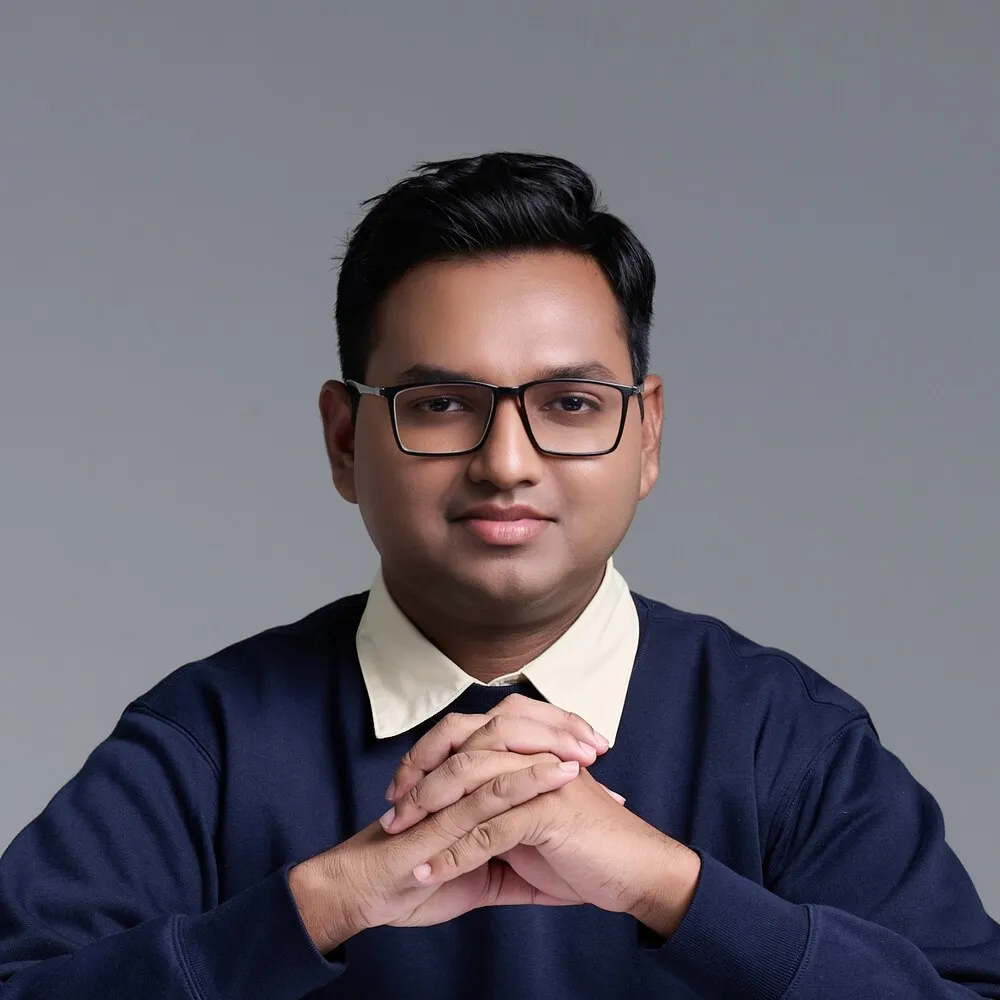
I’m Joshua Poddoku. I work on public policy and governance for organizations and communities, and I write contribution policies with them. It comes from seven years inside Open Source startups, from pre-seed to Series A. How we can work together
I’m also building HuyoWorld, a home for R&D and governance that runs on three principles: humane, governance first and local first.
I work with organizations and communities on the problems underneath what they’re building. Most of what they bring me turns out not to be a technology problem. It’s about who the product is for, who pays, or who decides.
What I’m thinking about right now (Q4 2026)
Organizations now take in work they didn’t write. Staff, volunteers, members, the public and AI tools all contribute. Few organizations have written down who can contribute, how that work is reviewed, and how it gets credited.
Open Source felt this first. As of Q4 2026, 18 of the 35 active projects I’m tracking have an AI policy. The same questions now apply to any community or organization that takes work from outside.
I use AI heavily, and I keep it away from the front door. The place where a person meets your organization stays human.
What I’ve built
All seven years have been remote and asynchronous. I’ve spent most of my career on the wrong side of the time zones. So I trust written ways into a project more than calls.
-
I’m an Apache committer on Apache DevLake. At a Series A devtools company I helped grow its community from 100 to up to 400 engineering leaders. Its stars went from zero to over 3,000.
-
At a pre-seed startup working on Open Source sustainability, I ran live technical sessions with maintainers. I learned that a project behaves differently once its users can see each other.
-
I’ve been part of SustainOSS since 2021, where maintainers work on funding, burnout, governance and succession. It’s where I test what I think I know against people who have run projects for a decade.
-
I started two local Open Source meetups in India, outside my day job.
-
I’m building Clansurf, which helps people help each other with technology they already own, even in a blackout. Each node decides who joins, much like an open source project decides who becomes a maintainer.
-
I ran Community Signals, which tracked how people on Bluesky and Hacker News talk about AI-written code. See how we can work together.
Publications
- The Shop That Closes at Five: Community Infrastructure Run by Agents for Human Efficacy (working paper, v1.0, September 2026). Why small local providers stay invisible, and how offline-first, community-governed nodes of about 200 metres can bring them back into reach. Part of Clansurf. DOI 10.5281/zenodo.22750413, CC BY 4.0.
- Handbook for Founders: The Power of Genuine Users (co-author).
- Writing a book on humans, agents and leadership.
Working together
Work with me says what I do and how. Email ask[at]joshuapoddoku[dot]com and say what you’re building and what isn’t working, or book a call. I’ll always ask before I share or write about your project.
Clansurf is a volunteer project, and so is the writing. If you’d rather follow along than hire me, there’s Patreon.
Speaking and hosting
I speak on governance, contribution policies and Open Source communities. I’ve given keynotes at GDG DevFest (IIT Raipur) and Symbiosis Pune, and talks at Microsoft Reactor and FOSS United. At Open Source India I was Track Chair and a panelist, on the panel OSS is not just code, it’s a Community.
I organise as well as speak. I find the guests, set the subject and host. That includes Impact DevRel, podcasts and webinars with more than ten maintainers and founders, and X Spaces with more than 180 listeners. Guests have included Avi Press of Scarf, Peer Richelsen of Cal.com and Justin Garrison, now at Sidero Labs.
I’ve talked about keeping up your mental well-being as a developer. I was also a featured guest on Major League Hacking’s The State of Developer Education.
Bios, photos and speaker cards are in the media kit, or get in touch about an event.

Roles are the ones people held when we spoke.
-
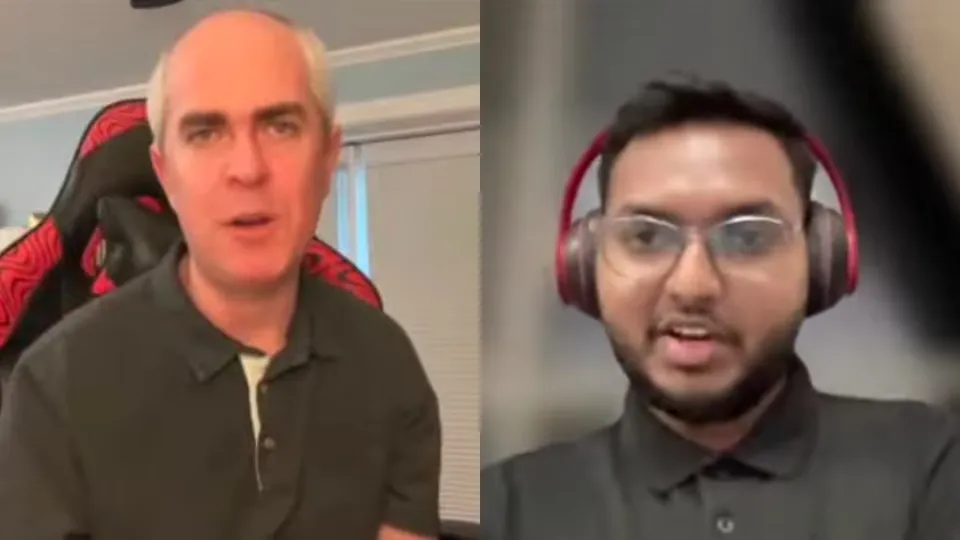
Max Kanat-Alexander: architecting developer productivity and happiness with LinkedIn’s DPH framework.
-
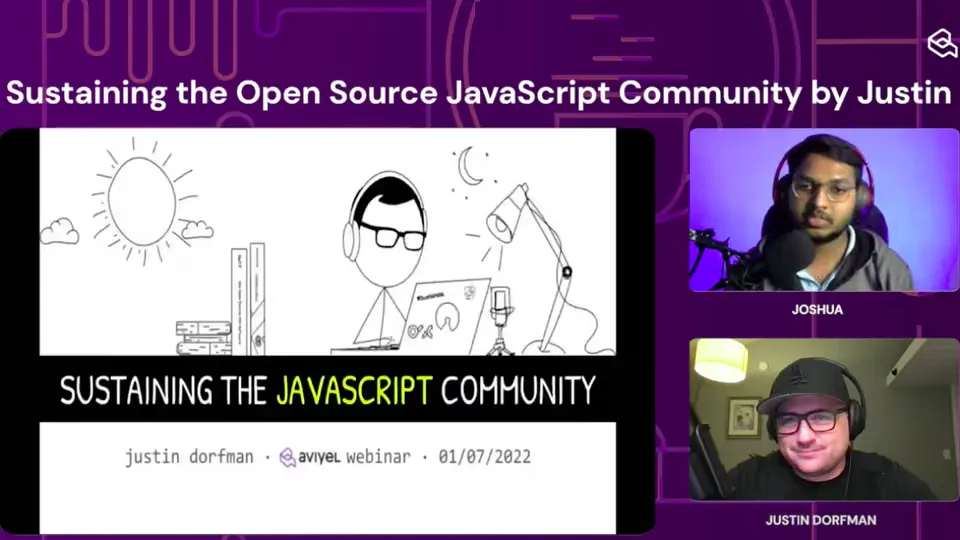
Justin Dorfman: sustaining the Open Source JavaScript community.
-
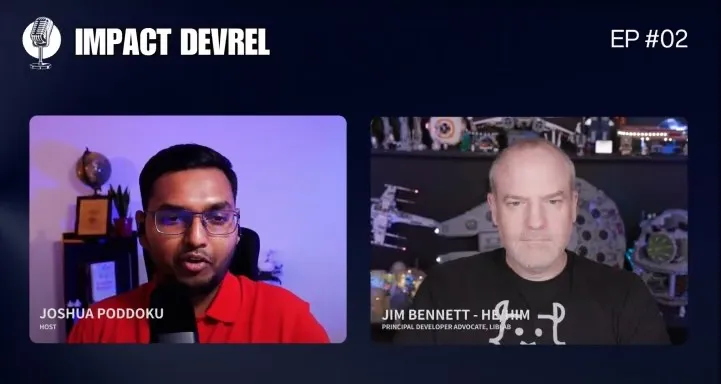
Jim Bennett, principal developer advocate at liblab: Impact DevRel, episode 2.
-
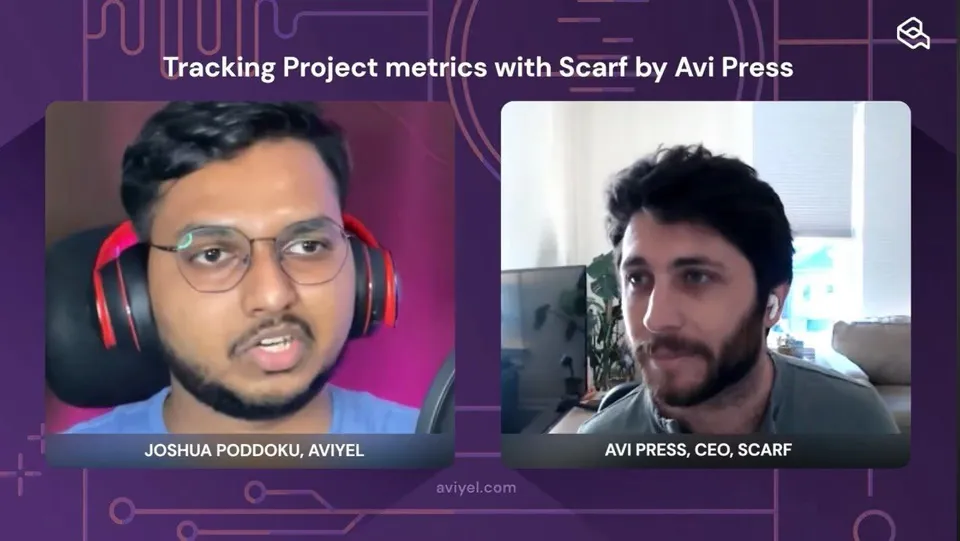
Avi Press, CEO of Scarf: tracking project metrics with Scarf.
-
Caroline Lewko, author of Developer Relations.
-
Justin Garrison, now Field CTO at Sidero Labs: Impact DevRel, DevRel at an enterprise versus at a startup.
-
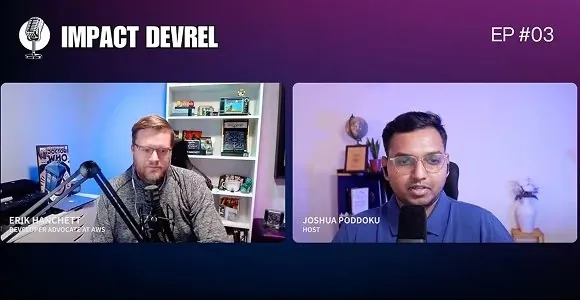
Erik Hatchett, developer advocate at AWS: Impact DevRel, episode 3.
-
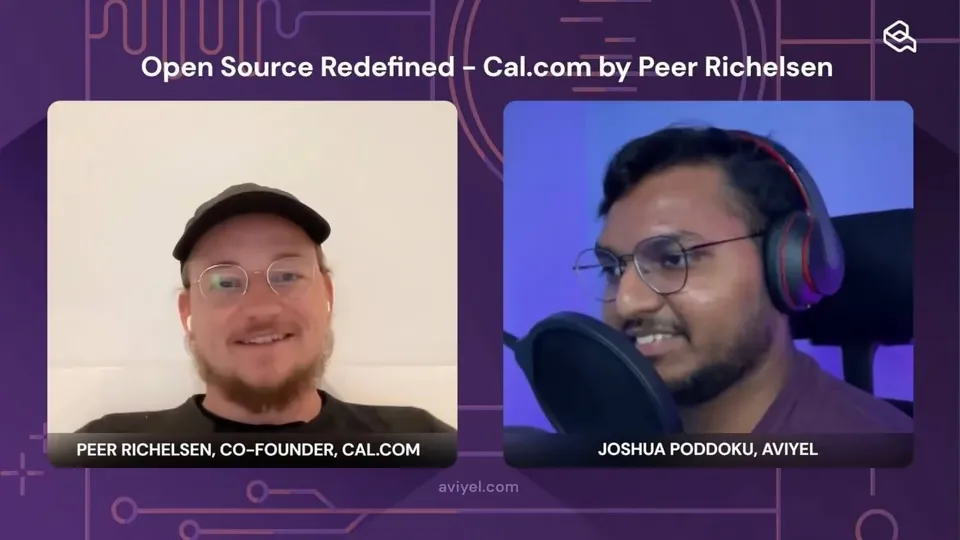
Peer Richelsen, co-founder of Cal.com: Open Source redefined.
-
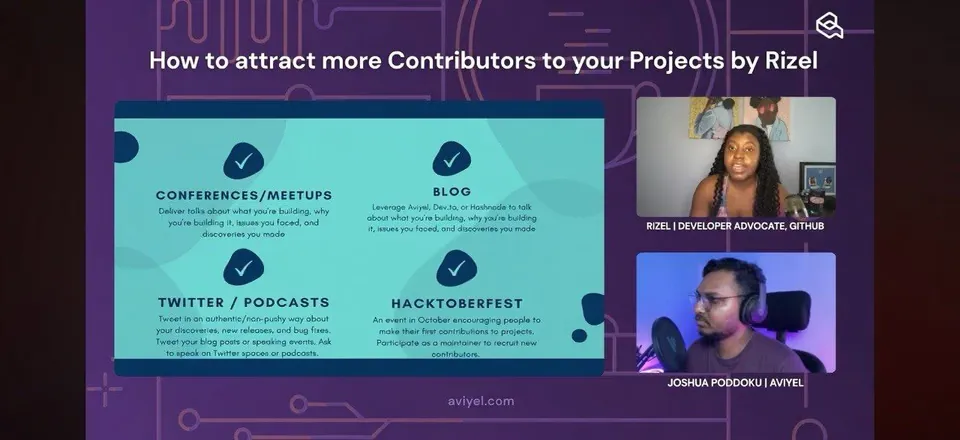
Rizel, developer advocate at GitHub: how to attract more contributors.
-
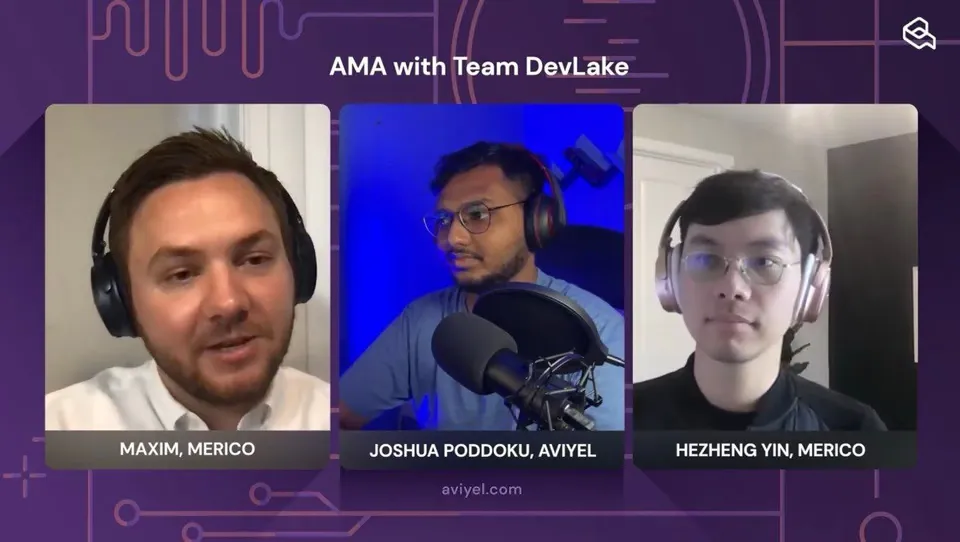
Maxim and Hezheng Yin, Merico: an AMA with the Apache DevLake team.
-
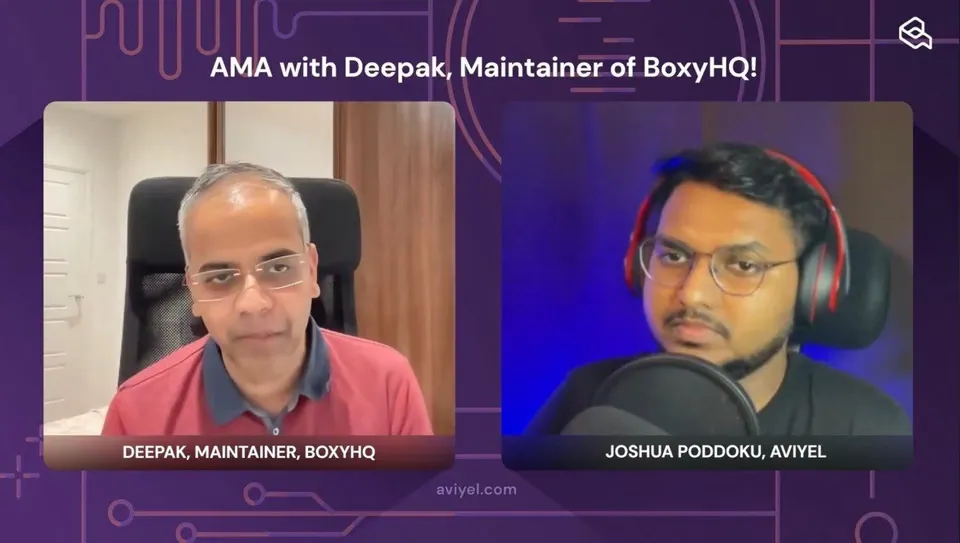
Deepak, maintainer of BoxyHQ: an AMA with the maintainer.
-
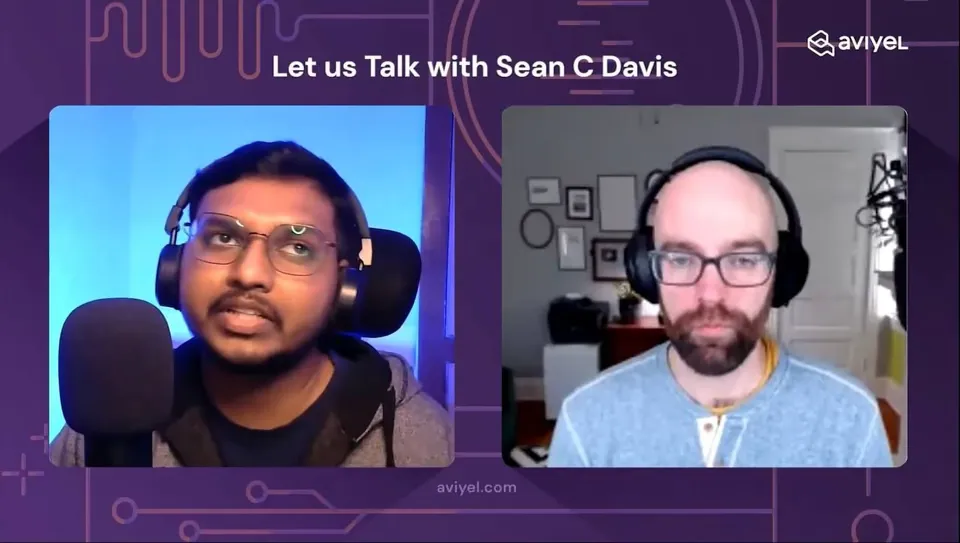
Sean C Davis, now at Netlify.
-
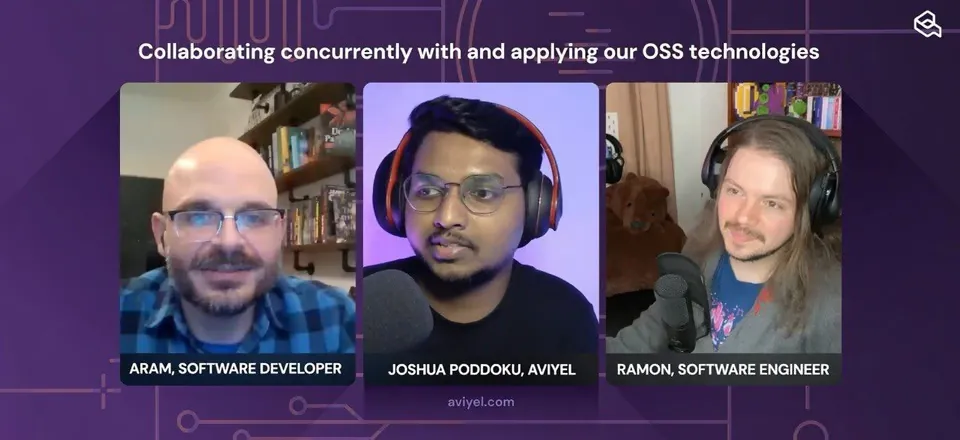
Aram and Ramon, software engineers: collaborating on and applying our Open Source technologies.
-
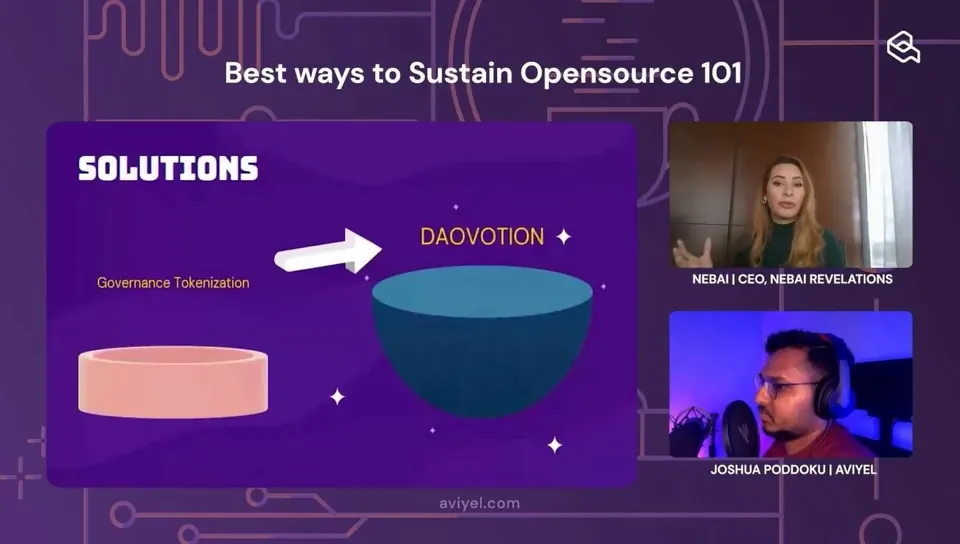
Nebai, CEO of Nebai Revelations: the best ways to sustain Open Source.
Grounding
In the Himalayas, a man walked me to his coop, handed me warm, fresh eggs, and refused to take a single penny. I stood there much longer than the visit required, thinking about what real local value looks like when you strip away the financial gatekeepers. Clansurf grows from that kind of local value.
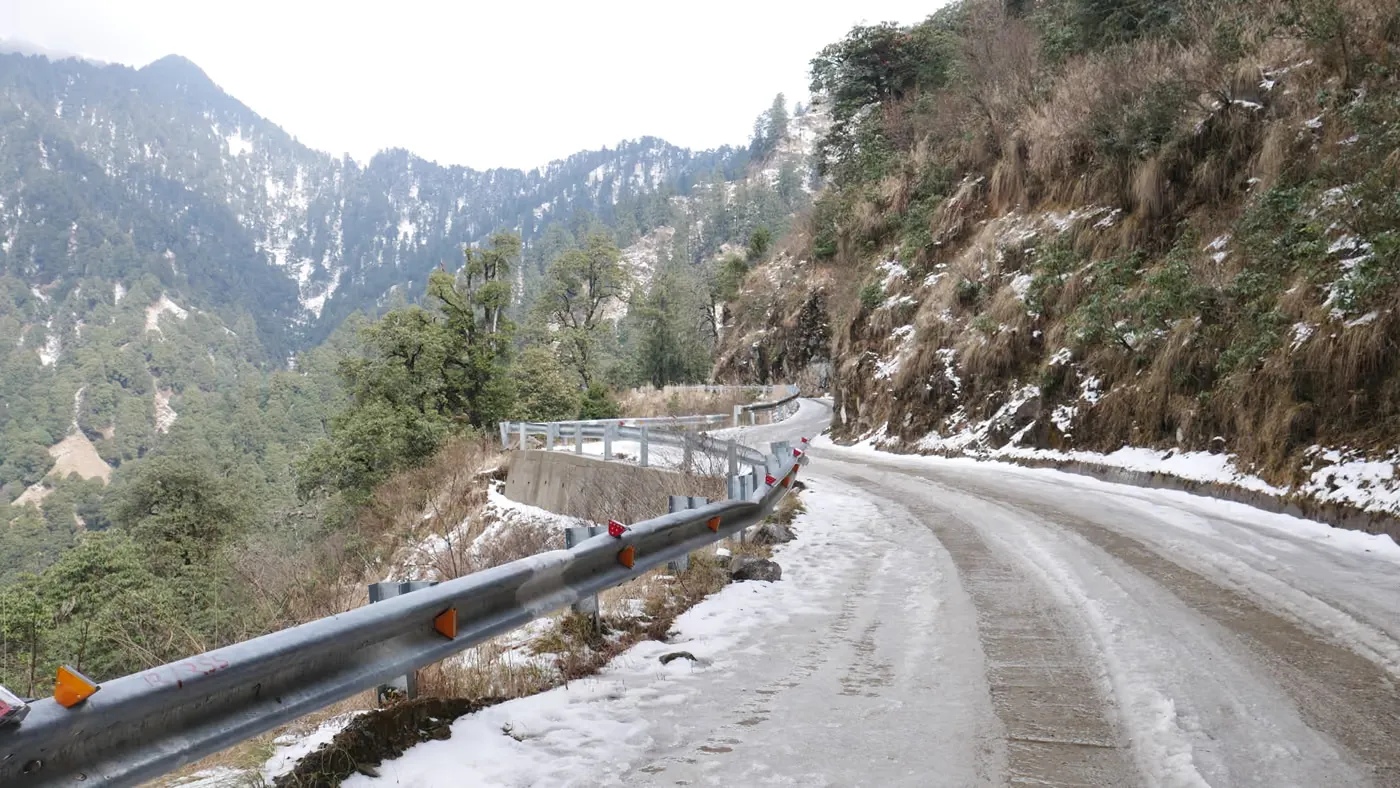
I rode a bike through those mountains. Across ten countries I’ve kept one small setup: tools I fix by hand and a workspace that packs into one bag in ten minutes. Away from the screen you’ll find me working leather, making tallow shaving cream, or sourcing food straight from the farm. I can tell which eggs, chickens and vegetables are genuinely organic.


Where to find me
Notes on governance
Every week or two, a short note on how organizations and communities handle contributions, and what I’d do about it. You can unsubscribe from any email.